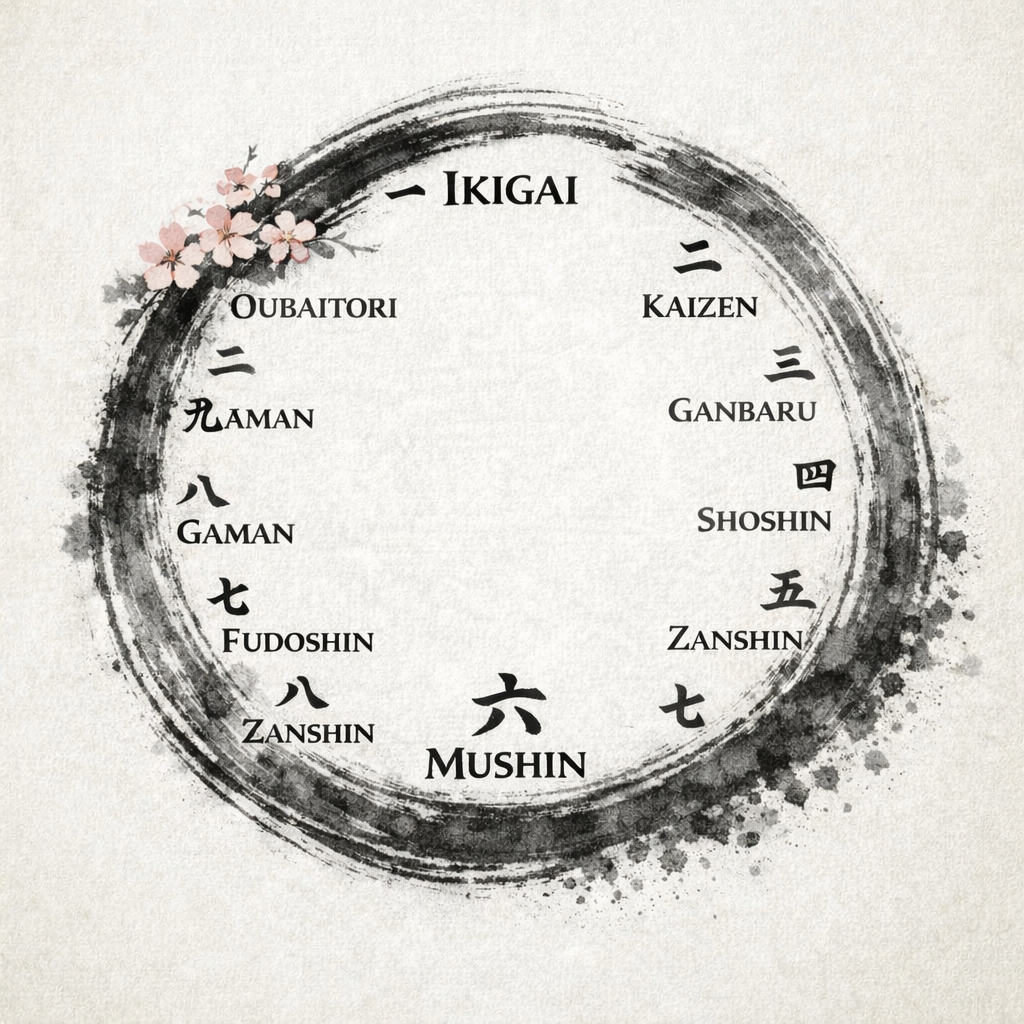
Chapter 14 — From Philosophy to Protocol
Philosophy becomes real when it survives translation into protocol. A principle you admire but never schedule is a hobby. A principle you protect with weekly structure becomes character.
The dojo operating system is the set of protocols that govern how attention, effort, recovery, and ethics move through your training life. It includes obvious items—class times, belt expectations, hygiene—but also the invisible architecture: how you warm up, how you choose partners, how you behave when you are winning, how you behave when you are losing, how you return after time away, how you speak about others’ progress.
Without protocol, philosophy becomes mood-dependent. On good days you are humble; on bad days you are brittle. Protocol is the bridge that lets you behave like your better self when your better self is not naturally online.
Start with one protocol upgrade at a time. Examples: a fixed ten-minute arrival buffer, a no-phone rule from bow-in to bow-out, a rule that you end class with one written correction, a rule that you never skip the last cool-down minute of breath. Small protocols compound because they reduce negotiation with yourself.
The operating system also includes refusal. Serious training requires boundaries around volume, intensity, and social drama. If you say yes to every extra session, every competitive challenge, every political side-room conversation, you will not be training; you will be reacting. Protocol includes saying no without needing a speech.